
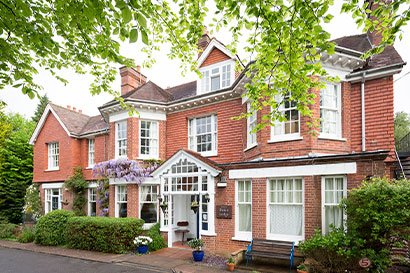
A Business Loan from Quick Business Loans Can Help care Home Owners Expand Their Business and flourish
Expanding a care home is a significant undertaking requiring careful planning, adequate capital, and strategic decision-making. Whether a nursing home owner seeks to increase resident capacity, upgrade facilities, add specialized services, or improve operational efficiency, financial resources are central to achieving sustainable growth. A business loan provides the funding necessary to support these initiatives, helping owners modernize their facilities, improve quality of care, comply with regulations, and strengthen their competitive position. Below are the key ways a business loan can support nursing home expansion, along with a detailed look at why financing is essential in the long-term success of these facilities.
1. Increasing Resident Capacity
At Quick Business Loans our tailored Finance for care home owners supports expansion is by enabling the home owners to increase the number of available beds. Demand for long-term care continues to grow due to aging populations and extended life expectancy. However, expanding capacity is capital-intensive. It requires investment in new rooms, construction of additional wings, updated technology, and expanded communal areas.
The correct Finance for care home owners allows owners to:
- Build additional units or wings to accommodate more residents.
- Renovate existing unused spaces to create fully compliant resident rooms.
- Upgrade infrastructure such as plumbing, electrical, and safety systems to meet state and federal regulations.
- Install modern amenities that improve comfort and appeal to residents and their families.
By increasing capacity, nursing home owners not only serve more individuals but also benefit from economies of scale, improving revenue streams and making operations more efficient.
2. Renovating and Modernizing Facilities
A well-maintained, modern facility is essential in the competitive care home industry. Families and residents often choose care providers based on appearance, comfort, and the availability of updated health-care technologies. Unfortunately, many existing nursing homes operate in older buildings that require substantial upgrades.
Finance for care home owners can fund:
- Structural renovations, including updated flooring, lighting, HVAC systems, and accessibility improvements.
- Safety upgrades, such as improved fire suppression systems, emergency call technology, and non-slip surfaces.
- Cosmetic improvements, like new paint, furniture, private room options, and upgraded dining facilities.
- Energy-efficient improvements, which can reduce long-term operating costs.
Modernizing a care home not only improves quality of life for residents but also enhances compliance with evolving regulatory standards. It can also significantly boost the home’s reputation and lead to higher occupancy rates.
3. Expanding Specialized Care Services
Care home residents often require specialized services due to chronic conditions, mobility limitations, or cognitive impairments. As demand grows for memory care, rehabilitative therapy, and skilled nursing programs, facilities must adapt to stay relevant.
Modern Finance for nursing home owners enables owners to offer:
- Memory care units equipped with secure layouts and sensory-friendly designs for residents with dementia.
- Rehabilitation and therapy departments, including physical, occupational, or speech therapy rooms.
- Skilled nursing wings with advanced medical equipment and trained professionals.
- On-site diagnostic services to improve medical care convenience and responsiveness.
Offering specialized care not only enhances residents’ quality of life but also allows Care home owners to diversify services and increase revenue through higher reimbursement rates.
4. Investing in Advanced Medical Equipment
Modern care homes rely on advanced medical and monitoring equipment to ensure resident health and safety. These upgrades improve clinical outcomes, streamline staff workflows, and help maintain compliance with industry standards. However, medical equipment is expensive and often requires ongoing upgrades.
A business loan can help fund equipment such as:
- Vital-sign monitoring systems
- Electronic health record (EHR) systems
- Mobility aids and fall-prevention technology
- Diagnostic tools (portable X-ray, ultrasound, etc.)
- Medical beds and pressure-relief mattresses
- Telemedicine platforms
With improved equipment, nursing home owners can attract more residents who require a higher level of care and increase trust among families seeking reliable, technologically advanced facilities.
5. Enhancing Staffing and Training Programs
Quality staff are the backbone of every care home. Hiring certified nursing assistants, registered nurses, therapists, and administrators can significantly improve service delivery. However, adding staff or increasing wages during expansion often requires additional capital until occupancy rates rise.
Low interest Finance for care home owners can assist with:
- Recruiting new staff to support growing capacity
- Funding professional development programs
- Offering competitive wages and benefits to reduce turnover
- Implementing training initiatives for regulatory compliance
- Creating leadership tracks to promote internal growth
A well-supported staff contributes to better resident outcomes, improved satisfaction levels, and a healthier workplace environment—all of which positively impact the facility’s reputation.
6. Meeting Regulatory Compliance Requirements
The long-term care industry is one of the most regulated sectors in healthcare. Nursing homes must maintain high standards for cleanliness, safety, resident care, documentation, and emergency preparedness. Expansion often triggers additional regulatory requirements that can be costly to implement.
Compliance costs may include:
- Facility modifications to meet ADA accessibility requirements
- Updated life-safety and fire-protection systems
- Additional reporting tools for audits and inspections
- Staff training for new protocols
- Licensing and accreditation fees for specialized units
A business loan ensures these costs are covered without destabilizing the nursing home’s cash flow, enabling the facility to remain compliant while expanding services.
7. Improving Operational Efficiency
As care homes grow, they often benefit from upgrading or implementing new operational systems that streamline administrative tasks. Efficiency is crucial in maintaining profitability, especially in an industry with tight margins and intense oversight.
A business loan may fund:
- Electronic health record (EHR) systems that integrate resident data
- Automated billing and reimbursement platforms
- Scheduling and staffing software
- Smart-building technology to manage energy and security
- Updated communication systems for staff and families
These investments reduce administrative burdens, decrease the risk of errors, and free staff to focus more on resident care.
8. Marketing and Business Development
A competitive care home must actively promote its services, highlight its strengths, and position itself as a trusted care provider. Marketing plays a major role in increasing occupancy and building relationships with hospitals, referral partners, and families.
Business loan funds can be used for:
- Digital marketing campaigns
- Renovation of websites and online booking portals
- Outreach to hospitals, clinics, and care coordinators
- Community engagement programs
- Branding and reputation-building initiatives
Effective marketing can boost visibility and attract new residents, helping the nursing home grow and thrive in a competitive landscape.
9. Acquiring Additional Properties or Facilities
Some care home owners use business loans to expand their footprint by purchasing additional properties, either to open new facilities or to relocate existing operations. This approach supports long-term growth by diversifying geographic reach and entering new markets.
A business loan can help cover:
- Down payments for new buildings
- Renovation costs for recently acquired properties
- Expansion into assisted living or memory-care units
- Transition costs during acquisitions
Expanding through acquisition also creates opportunities to streamline operations, share resources, and standardize quality across multiple locations.
10. Strengthening Cash Flow During Transitional Periods
Expansion can disrupt normal revenue streams, especially during construction or renovation phases. A business loan can provide working capital to stabilize operations and maintain service quality even while major changes are underway.
Working capital funds may cover:
- Payroll during construction periods
- Temporary relocation of residents
- Unexpected maintenance or repair costs
- Purchasing inventory or supplies
- Maintaining vendor and contractor payments
With stable cash flow, care home owners can proceed with expansion confidently and without compromising resident care.
11. Positioning the Facility for Long-Term Success
A business loan isn’t just a short-term solution—it’s an investment in future stability and growth. By expanding services, improving facilities, and increasing resident capacity, nursing home owners build a stronger foundation for long-term success. Higher occupancy, improved reputation, and diversified care offerings create a more resilient business model capable of weathering economic changes and evolving healthcare demands.
In many cases, loans also allow nursing home owners to seize opportunities that would otherwise be financially out of reach, such as purchasing specialized technology or expanding into new markets.
We can Help – Apply now or call on 0203 006 5444
Low interest Quality fast Finance for care home owners plays a vital role in helping nursing home owners expand their operations and improve the quality of care they offer. From increasing resident capacity and upgrading facilities to enhancing staffing, investing in technology, and meeting regulatory requirements, financing provides the foundation needed for sustainable growth. In a competitive and highly regulated industry, access to capital can be the difference between stagnation and success. By strategically using loan funds, nursing home owners can build thriving, modern facilities that deliver exceptional care and support to residents—now and in the decades to come.